


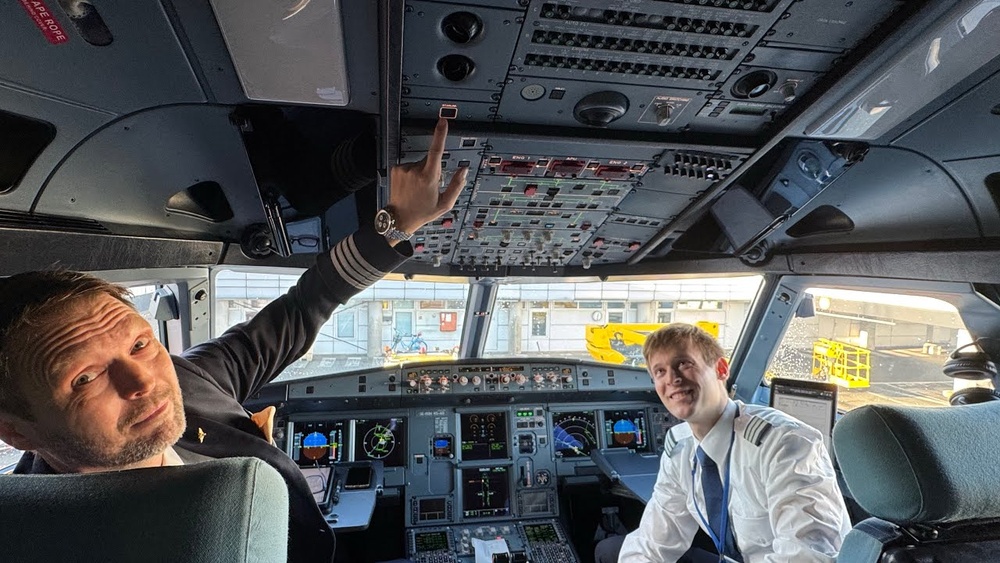
SAS’s History and Evolution of Onboard Connectivity now when the first airplane have Starlink installed.
SAS (Scandinavian Airlines) has been a pioneer in the realm of onboard connectivity, consistently embracing new technologies to enhance the passenger experience. The airline’s journey in inflight connectivity dates back to the early 2000s and has evolved significantly over nearly two decades.
Early Beginnings with Boeing Connection
One of the earliest milestones for SAS in onboard connectivity was in 2005, when the airline implemented Boeing’s connectivity solutions on its Airbus A330 and A340 fleets. This initial step marked SAS as a first mover, embracing the potential of inflight internet access when such offerings were still in their infancy. It demonstrated the airline’s commitment to innovation and setting a high bar for passenger amenities.
Advancement with Panasonic and ViaSat
Continuing its trailblazing approach, SAS adopted Panasonic’s inflight connectivity systems in 2010, specifically on its Airbus A330s. This upgrade improved the quality and reach of onboard internet services, keeping pace with increasing customer demands for connectivity during flights.
Later, from 2018 onwards, SAS equipped its Airbus A320 fleet with ViaSat connectivity solutions. This move aimed to extend internet availability to the workhorse of their fleet, addressing the connectivity gaps on shorter-haul flights often operated by the A320s. Furthermore, in 2020, SAS incorporated Inmarsat services on its Airbus A350 aircraft as these planes entered service, ensuring the long-haul fleet also benefited from reliable internet access.
Consistency and Innovation in Connectivity
Over the years, SAS has experimented with various satellite networks and providers, reflecting their willingness to explore all viable options to enhance the passenger experience. Despite this extensive history, the airline acknowledges that previous connectivity solutions, while groundbreaking at their time, had limitations in terms of consistency, speed, and coverage.
Importantly, SAS has recognized that onboard connectivity has evolved from a luxury to an expectation among travelers. Today’s passengers demand internet access that matches the quality and reliability they experience at home or in the office. SAS’s journey illustrates a deliberate and continuous effort to close that gap and offer seamless, high-quality inflight internet services.
Key Milestones Summary
| Year | Connectivity Provider | Aircraft Fleet | Significance |
|---|---|---|---|
| 2005 | Boeing | A330, A340 | First mover in inflight connectivity on widebody aircraft |
| 2010 | Panasonic | A330 | Enhanced connectivity on long-haul fleet |
| 2018 | ViaSat | A320 family | Extended connectivity to short-haul workhorse fleet |
| 2020 | Inmarsat | A350 | Connectivity for new generation long-haul fleet |
Business Model Evolution
Alongside technological advancements, SAS has adapted its business model for inflight internet. Previously, passengers were charged a fee (e.g., 50 Danish kroner) for internet access. However, SAS is now moving away from this model. With the upcoming Starlink integration, internet connectivity will be offered free of charge to SAS EuroBonus members, reflecting a shift toward making connectivity an inclusive and core component of the travel experience.
This approach not only enhances customer satisfaction but also aligns with broader loyalty strategies, positioning connectivity as a key differentiator in the competitive airline market.
The Significance of Starlink Integration on the A320 Fleet
The integration of Starlink technology on SAS’s Airbus A320 fleet represents a landmark moment for the airline and the European aviation industry. It signals a leap forward in inflight connectivity capabilities and a strategic move to meet evolving customer expectations in a highly competitive market.
Why Start with the A320 Fleet?
The Airbus A320 family is the backbone of SAS’s fleet, comprising nearly half of all aircraft. Many A320s currently lack onboard Wi-Fi, creating a noticeable service gap on short and medium-haul routes. By prioritizing Starlink integration on this fleet, SAS addresses a critical need for consistent and high-quality connectivity on its most frequently used aircraft.
This decision is driven by :
- Fleet Prevalence : The A320’s dominant presence in SAS’s fleet means that improvements here will impact the largest number of passengers.
- Customer Demand : Passengers often express disappointment when boarding aircraft without internet access. Offering Starlink Wi-Fi on A320 flights directly responds to this feedback.
- Operational Efficiency : Upgrading the most-used aircraft first ensures that a significant portion of flights will benefit from enhanced services quickly.
Starlink : A Game-Changing Connectivity Solution
After evaluating multiple satellite providers, SAS selected Starlink for its readiness and superior performance available today. Unlike other providers that may require years to mature their technology, Starlink offers immediate, reliable, and high-speed internet access suitable for inflight environments.
Key advantages of Starlink integration include :
- Home-Level Connectivity Quality : For the first time, SAS can offer onboard internet that rivals the speed and reliability customers expect on the ground.
- Consistent Coverage : Starlink promises reliable internet service even in challenging regions such as the North Pole and Northern Norway, where coverage has traditionally been spotty.
- Free Access for EuroBonus Members : The removal of fees for internet access signifies a customer-centric approach and a commitment to enhancing the value of loyalty programs.
Impact on Customer Experience and Loyalty
Connectivity is increasingly a core element of the overall customer experience. SAS recognizes that uninterrupted, high-quality internet access is no longer a luxury but an expectation. By closing the gap between inflight and ground connectivity, SAS enhances passenger satisfaction, loyalty, and engagement.
Passengers will enjoy :
- Reliable Gate-to-Gate Connectivity : While local laws may impose some restrictions, most flights will offer continuous internet access from boarding to arrival.
- Enhanced Entertainment and Productivity : Passengers can work seamlessly, stay connected with family, or enjoy digital entertainment without interruption.
- Improved Customer Service Interaction : Real-time communication with customer service, including itinerary changes and rebooking, will be possible during the flight, reducing airport wait times.
Strategic Advantages and Market Positioning
By being one of the first airlines in Europe to certify Starlink on the A320 family, SAS positions itself as a leader in inflight connectivity innovation. This “blue ocean” opportunity allows SAS to differentiate itself from competitors who may still rely on legacy systems or have not yet fully deployed such advanced technology.
The airline plans to rapidly equip its fleet with Starlink, aiming for approximately 50% of aircraft to be outfitted by summer and targeting up to 90% by the end of 2026. This swift rollout will enable SAS to capture market share and customer loyalty ahead of other major players, such as Lufthansa and Emirates, who have announced their own connectivity initiatives but may proceed at a slower pace.
Operational and Crew Benefits
Beyond passenger advantages, Starlink connectivity will enhance operational efficiency and crew capabilities. The cockpit will benefit from real-time weather, traffic, and flight information, improving safety and decision-making. Cabin crew will have access to passenger data, including connections and baggage details, enabling personalized service and proactive issue resolution.
Additionally, enhanced connectivity opens possibilities for new entertainment formats and engagement opportunities, strengthening the airline’s brand and customer relationship management.
Summary Table : Starlink Integration Benefits on A320 Fleet
| Aspect | Details |
|---|---|
| Fleet Coverage | Focus on A320 family, workhorse of SAS fleet, nearly 50% of aircraft |
| Connectivity Quality | Home-level internet speed and reliability, consistent gate-to-gate service |
| Cost to Passenger | Free internet access for EuroBonus members |
| Customer Experience | Enhanced productivity, entertainment, and real-time service interactions |
| Operational Benefits | Real-time cockpit data, improved crew service capabilities |
| Market Advantage | Early mover in Europe, rapid fleet rollout, blue ocean opportunity |
In conclusion, the Starlink integration on SAS’s A320 fleet is not just a technological upgrade but a strategic game-changer. It addresses longstanding connectivity gaps, elevates the passenger experience, and strengthens SAS’s competitive edge in the evolving airline industry.
Impact of High-Quality Connectivity on Customer Experience and Loyalty
High-quality onboard connectivity has become an increasingly critical factor in shaping the customer experience and loyalty strategies of airlines like SAS. The evolution of SAS’s connectivity offerings—from early implementations with Boeing in 2005 to Panasonic, Viasat, and Inmarsat systems—illustrates a persistent commitment to staying at the forefront of in-flight connectivity technology. However, the introduction of Starlink marks a transformative shift, promising connectivity that rivals the quality and consistency of what passengers experience at home or in the office.
Elevating the Customer Experience with Consistent Connectivity
One of the most significant impacts of Starlink connectivity on customer experience is the assurance of consistent, reliable internet access across the SAS fleet. Unlike previous systems where connectivity availability varied depending on the aircraft model or route, Starlink enables SAS to equip nearly all aircraft—starting with the A320 family, the backbone of their fleet—with seamless internet access. This consistency eliminates the frustration passengers often feel when boarding flights without Wi-Fi, a sentiment frequently expressed in customer forums and direct feedback.
Passengers can expect uninterrupted service even on challenging routes such as flights over the North Pole or northern Norway, where traditional satellite connections have struggled. The ability to provide internet access gate-to-gate (with minimal exceptions due to local regulations) ensures that travelers remain connected throughout their journey. This uninterrupted connectivity supports a range of activities, from business communications and entertainment to staying in touch with family, thereby enhancing the overall flight experience.
Free Internet as a Loyalty Driver
SAS’s decision to offer Starlink internet free of charge to EuroBonus members represents a bold move away from traditional paid Wi-Fi models. This approach redefines onboard connectivity from a paid add-on to a core benefit, reinforcing customer loyalty and encouraging frequent flyer program membership growth. By removing cost barriers, SAS positions internet access as a fundamental part of the travel experience, aligning with evolving passenger expectations.
Offering complimentary connectivity not only adds value to the EuroBonus program but also serves as a competitive differentiator. Customers increasingly expect high-speed, reliable internet as a standard amenity, and SAS’s strategy ensures they meet and exceed these expectations, fostering long-term loyalty.
Enhancing Passenger Engagement and Real-Time Interaction
High-quality connectivity opens new avenues for passenger engagement and service innovation. SAS envisions leveraging Starlink to provide their cabin crew with real-time access to passenger information, including connection details, baggage status, and previous flight experiences. This capability allows crew members to personalize service and proactively address passenger needs.
Moreover, the connectivity enables passengers to interact with customer service representatives during the flight via chat and email, facilitating itinerary changes or rebooking before landing. This real-time communication reduces airport wait times and enhances customer satisfaction by resolving issues promptly and efficiently.
Operational Benefits Supporting Customer Satisfaction
Beyond passenger-facing advantages, Starlink’s connectivity enhances operational efficiency. The cockpit benefits from real-time weather, traffic, and flight information, improving flight safety and operational decision-making. This holistic improvement in connectivity contributes indirectly to a smoother, more reliable travel experience, which positively influences customer perception and loyalty.
Summary of Customer Benefits
- Consistent, reliable internet across nearly all SAS aircraft
- Gate-to-gate connectivity with minimal interruptions
- Complimentary internet access for EuroBonus members
- Enhanced passenger engagement through real-time information access
- Improved operational efficiency supporting flight reliability
In conclusion, the integration of Starlink elevates SAS’s customer experience by bridging the gap between ground and in-flight internet quality. This advancement not only satisfies current passenger demands but also positions SAS strongly for future loyalty growth as connectivity becomes a cornerstone of modern air travel.
Reasons for Choosing Starlink as SAS’s Preferred Connectivity Partner
The selection of Starlink as the preferred connectivity partner for SAS was the result of a rigorous evaluation process focused on readiness, performance, and strategic fit. SAS considered all major satellite network providers, weighing the capabilities and maturity of their technologies against the airline’s immediate and future connectivity needs.
Immediate Readiness and Market Leadership
Starlink stood out as the only satellite network provider ready to deliver high-quality, widespread connectivity here and now. While alternative providers may offer viable solutions in three to five years, SAS recognized the urgency to act promptly to meet rising customer expectations. This proactive approach allowed SAS to leap ahead of competitors by deploying a technology that provides superior performance without delay.
Superior Connectivity Performance
Starlink’s network demonstrated impressive key performance indicators (KPIs) during testing, including less than 1% packet loss and high data speeds exceeding average connectivity levels found on comparable systems. The real-world testing onboard an A320 Neo with Starlink showed robust performance in various challenging flight conditions, such as over polar regions and northern latitudes.
This level of reliability and speed supports diverse passenger needs, from streaming media and gaming to business communications, making it the optimal choice for an airline focused on enhancing passenger experience.
Strategic Alignment with SAS Fleet and Operations
The decision to start Starlink installations with the A320 family was strategic. As the “workhorse” of SAS’s fleet, the A320 series represents nearly half of all aircraft, many of which currently lack onboard connectivity. Equipping these planes first addresses the largest customer pain point, the inconsistency of Wi-Fi availability and ensures a broad impact across SAS’s route network.
Furthermore, SAS’s smaller size relative to some global competitors allows for faster decision-making and fleet-wide rollout. This agility enabled SAS to initiate installations rapidly, with plans to equip approximately 50% of their fleet by summer and up to 90% by the end of 2026.
Future-Proofing Connectivity Infrastructure
By partnering with Starlink, SAS gains access to a continuously expanding satellite constellation, which promises ongoing improvements in coverage and capacity. This future-proofing ensures that SAS can maintain high-quality connectivity standards as passenger demands evolve and data consumption increases.
Competitive Differentiation Through Technology
Choosing Starlink is not only about technical performance but also about gaining a competitive edge. Starlink’s innovative approach aligns with SAS’s ambition to be a pioneer in onboard connectivity. This partnership supports SAS’s goal to close the connectivity gap faster than most European competitors, creating a unique selling point in the market.
Summary Table : Why SAS Chose Starlink
| Criteria | Starlink Advantage |
|---|---|
| Readiness | Only provider ready for immediate deployment |
| Connectivity Quality | Less than 1% packet loss, high data speeds |
| Fleet Compatibility | Focus on A320 family, largest fleet segment |
| Deployment Speed | Rapid installation capability, agile decision-making |
| Future Proofing | Expanding satellite constellation ensures growth |
| Competitive Advantage | Pioneer status in Europe, faster rollout |
In summary, SAS’s choice of Starlink reflects a strategic blend of technological excellence, immediate availability, and alignment with operational priorities. This partnership sets the stage for SAS to deliver a superior passenger experience and strengthens their position in the increasingly competitive European aviation market.
The Blue Ocean Opportunity : Competitive Advantage in European Aviation
The adoption of Starlink onboard connectivity opens a significant “blue ocean” opportunity for SAS, enabling the airline to capture untapped market potential and establish a distinct competitive advantage in European aviation. This concept revolves around creating uncontested market space, making the competition irrelevant by delivering unique value propositions that resonate strongly with customers.
European Market Context and Customer Awareness
Currently, most European passengers are not fully aware of the transformative potential of Starlink connectivity. SAS anticipates being among the first two or three airlines in Europe to offer this level of connectivity fleet-wide, positioning itself as a pioneer in the region.
By introducing Starlink connectivity ahead of competitors, SAS can attract and retain customers who prioritize consistent, high-quality internet access during flights—an increasingly important factor in airline choice. This early mover advantage creates a “blue ocean” where SAS can operate with less direct competition, especially before larger players fully equip their fleets.
Speed and Agility as Strategic Differentiators
While competitors such as Lufthansa and Emirates have announced plans for enhanced connectivity, SAS’s relatively smaller size affords it greater agility. This flexibility enables faster decision-making and quicker fleet-wide installations, allowing SAS to capitalize on the Starlink advantage sooner.
This rapid deployment timeline is critical as the industry moves towards standardizing high-quality connectivity. SAS’s ability to offer reliable, free internet access on a large portion of its fleet by summer and nearly complete coverage by 2026 gives it a substantial lead in the market.
Creating New Customer Expectations and Loyalty
Starlink’s connectivity capabilities allow SAS to set new customer expectations for in-flight internet quality. As more passengers experience uninterrupted, high-speed internet during flights, the airline strengthens customer loyalty and EuroBonus membership growth. Once customers experience this level of connectivity, they are unlikely to revert to competitors with inferior offerings.
This shift in customer preference represents a strategic opportunity for SAS to grow its market share and increase brand equity by embedding connectivity as a core travel benefit.
Expanding Service Offerings and Operational Efficiencies
The blue ocean opportunity extends beyond passenger satisfaction. Real-time connectivity enables SAS to innovate service models, such as allowing passengers to communicate with customer service during flights, rebook itineraries, and receive timely updates. Such services improve operational efficiency, reduce airport congestion, and enhance the overall travel experience.
Moreover, connectivity supports advanced crew operations and cockpit data access, further differentiating SAS as a technologically advanced airline.
Challenges and Market Dynamics
Despite the promising opportunity, SAS must manage customer expectations carefully. The airline plans to clearly communicate which flights offer Starlink connectivity to avoid disappointment. Additionally, regulatory restrictions in some locations may limit gate-to-gate connectivity, though these instances are expected to be minimal.
Nonetheless, the proactive communication strategy combined with Starlink’s superior performance supports a positive market reception.
Summary of the Blue Ocean Opportunity
- Early mover advantage in European market with Starlink
- Greater agility enables faster fleet-wide rollout compared to larger competitors
- Sets new customer expectations for in-flight connectivity
- Enhances customer loyalty and EuroBonus program attractiveness
- Enables innovative passenger services and operational efficiencies
- Creates uncontested market space with limited direct competition initially
In essence, SAS’s integration of Starlink connectivity represents a strategic leap into a blue ocean of opportunity within European aviation. By delivering unmatched connectivity quality and embedding it as a core travel benefit, SAS is poised to redefine passenger experience and secure a sustainable competitive advantage in the years to come.
Customer Benefits : Consistent, Reliable, and Free In-Flight Internet
The introduction of Starlink on SAS flights marks a transformative step in enhancing the passenger experience by delivering consistent, reliable, and free in-flight internet access. This development is not just a technological upgrade but a strategic commitment by SAS to bridge the connectivity gap that has long existed in the aviation industry.
Consistency Across the Fleet
One of the standout benefits for customers is the assurance of connectivity on every SAS flight equipped with Starlink. Previously, passengers had to wonder if their aircraft would provide Wi-Fi service or not. With the rollout focused initially on the A320 family—SAS’s workhorse fleet, which comprises nearly half of their aircraft—this inconsistency is being addressed head-on.
Passengers can now expect uninterrupted internet access on a majority of flights, removing the uncertainty and frustration that often accompanies air travel without connectivity.
Reliability in Challenging Environments
Starlink’s satellite-based technology ensures stable internet connectivity even over traditionally difficult regions such as the North Pole, Northern Norway, and other locations where coverage has historically been spotty or unavailable.
On test flights, Starlink demonstrated impressive performance metrics :
| Performance Metric | Result |
|---|---|
| Packet Loss | Less than 1% |
| Connection Speeds | Above average for in-flight Wi-Fi |
These results underline the system’s capability to provide near gate-to-gate connectivity, which means passengers can stay online throughout their journey, barring a few locations where local regulations prevent continuous service.
Free Internet for All Passengers
Perhaps the most revolutionary aspect of SAS’s Starlink deployment is the decision to offer internet access free of charge. This breaks away from traditional models where passengers paid per session or per flight for onboard connectivity. By eliminating these fees, SAS significantly enhances the value proposition for its customers.
This free service is available to all passengers, including families who can now keep their children entertained with streaming and online games, and business travelers who require uninterrupted access to office applications and communications.
Impact on Customer Experience and Loyalty
High-quality, uninterrupted internet access is becoming a fundamental expectation rather than a luxury. SAS recognizes this shift and positions Starlink as a core element in its loyalty strategy. Providing connectivity comparable to home or office environments during flights is a crucial differentiator in a competitive market.
By addressing a key pain point—unreliable or expensive in-flight internet—SAS aims to foster stronger customer loyalty and increase the attractiveness of its EuroBonus program. This connectivity benefit is positioned as an entry-level perk, encouraging more passengers to join and engage with the program, even those who may not be frequent flyers.
Technical Reliability and Real-Life Performance of Starlink on SAS Flights
The integration of Starlink technology on SAS aircraft is not just a theoretical upgrade but has been rigorously tested to ensure technical reliability and real-world performance meet the high standards expected by both the airline and its passengers.
Real-Time Testing and Performance Metrics
During test flights, Starlink’s system showed exceptional reliability with less than 1% packet loss, which is a critical metric for maintaining stable internet connectivity. This low packet loss ensures that data transmissions are smooth, minimizing interruptions and buffering delays that passengers often experience with other onboard Wi-Fi solutions.
Connection speeds on the test flights were above average compared to typical in-flight internet speeds, enabling activities such as live gaming and streaming, which are bandwidth-intensive.
For instance, during one test flight, passengers engaged in playing Counterstrike live with people on the ground, demonstrating Starlink’s capability to support low-latency, high-bandwidth applications in a challenging environment such as an aircraft in flight.
Gate-to-Gate Connectivity
SAS aims to provide gate-to-gate internet access for most flights, meaning passengers can stay connected from the moment they board until they disembark. While some geographical and regulatory restrictions exist, these are minimal and mostly related to local laws that temporarily prohibit internet use during specific phases of flight or in certain airspaces.
The near-continuous connectivity is a significant improvement over older systems that often lost signal during certain flight stages or in specific regions.
Installation and Integration Challenges
The installation of Starlink on the A320 fleet is progressing rapidly, with plans to equip approximately 50% of the fleet by the summer and aiming for at least 90% coverage by the end of 2026. Despite the complexity of integrating new satellite communication hardware into aircraft systems, initial installations have encountered no major challenges, indicating a smooth rollout process.
This quick and effective integration is partly attributed to SAS’s agility as a relatively smaller airline, allowing faster decision-making and implementation compared to some larger competitors.
Comparative Advantage in the Market
While major players such as Lufthansa and Emirates are also pursuing satellite-based internet solutions, SAS’s early and rapid adoption of Starlink technology positions it as a frontrunner in Europe. This gives SAS a competitive edge, especially given the quality and consistency of the service being offered.
Operational Advantages for Cabin Crew and Real-Time Connectivity Uses
Beyond passenger benefits, Starlink’s onboard connectivity brings substantial operational advantages to SAS’s cabin crew and overall airline operations, enabling new efficiencies and enhanced service capabilities.
Enhanced Access to Passenger Information
With Starlink, cabin crew members gain real-time access to comprehensive passenger data at their fingertips. This includes details on :
- Passenger connections and onward travel
- Baggage information
- Passenger preferences and previous flight experiences
This immediate access allows the cabin crew to provide more personalized service, anticipate passenger needs, and address potential issues proactively.
Improved Communication and Support
Starlink enables cabin crew to communicate efficiently with ground operations and customer service teams while in flight. This connectivity facilitates :
- Real-time updates on weather and air traffic conditions for the cockpit
- Rapid resolution of passenger queries and concerns
- Ability to assist passengers with itinerary changes, rebookings, or other service requests before landing
Such capabilities reduce the need for time-consuming queues at airports and improve the overall travel experience for passengers.
New Possibilities for Passenger Engagement and Entertainment
The stable internet connection opens up opportunities for SAS to innovate in how they engage with customers during flights. Potential enhancements include :
- Interactive entertainment options tailored to passenger preferences
- Targeted communication and offers through the SAS app and onboard systems
- Real-time feedback channels to gauge passenger satisfaction and promptly address issues
These initiatives can increase passenger satisfaction, loyalty, and ancillary revenue through personalized services.
Strategic Value to SAS Bonus Program
Starlink’s connectivity is positioned as a core benefit of SAS’s EuroBonus loyalty program. The airline envisions it as an entry-level benefit that encourages more travelers to join the program and remain engaged, regardless of flight frequency or points accumulation. This connectivity benefit strengthens the loyalty program’s value proposition and helps SAS differentiate itself in a competitive market.
Future Operational Developments
While the full scope of operational applications is still being developed, SAS is actively exploring additional uses of Starlink connectivity to improve flight operations and customer service. These may include :
- Enhanced cockpit connectivity for better access to critical flight information
- Advanced analytics and real-time monitoring of aircraft systems
- Integration with digital platforms to streamline workflow for ground and onboard teams
As SAS continues its Starlink rollout, these operational advantages are expected to expand, contributing to improved efficiency, safety, and passenger satisfaction.

