


Planning a trip to Seoul and South Korea? You’re about to discover an amazing destination full of vibrant culture, delicious food, and unforgettable experiences.
But before you go, having the right travel tips can make all the difference. Imagine navigating the bustling streets with confidence, finding hidden gems that most tourists miss, and saving time and money along the way. This ultimate guide is made just for you—to help you travel smart, stay safe, and enjoy every moment.
Keep reading, and get ready to unlock the secrets that will turn your trip into something truly unforgettable.

Planning Your Trip
Planning your trip to Seoul and South Korea is the first step toward a smooth and enjoyable travel experience. Thoughtful preparation helps avoid common pitfalls and lets you focus on exploring vibrant cities, rich culture, and stunning landscapes. This section covers key points like the best time to visit, visa rules, and budgeting tips. Follow these to make your journey smart and stress-free.
When To Visit
Choosing the right time to visit Seoul and South Korea can greatly affect your trip. The country has four distinct seasons, each offering unique experiences.
- Spring (April to June): Warm weather and beautiful cherry blossoms. Ideal for outdoor activities and festivals.
- Summer (July to August): Hot and humid with occasional rain. Good for beach trips but expect crowds.
- Autumn (September to November): Cool, dry weather with colorful fall foliage. Perfect for hiking and city tours.
- Winter (December to February): Cold and snowy, great for skiing and winter festivals.
Here is a quick overview:
| Season | Weather | Highlights |
|---|---|---|
| Spring | 15°C – 25°C, mild | Cherry blossoms, festivals |
| Summer | 25°C – 35°C, humid | Beach, water parks |
| Autumn | 10°C – 20°C, dry | Fall colors, hiking |
| Winter | -5°C – 5°C, snowy | Winter sports, festivals |
Spring and autumn offer the most comfortable weather. Plan your trip around these seasons for a pleasant visit.
Visa And Entry Requirements
Before traveling to South Korea, check visa and entry rules carefully. Requirements vary by nationality and visit purpose.
Many countries have visa-free agreements allowing tourists to stay up to 90 days. Others need to apply in advance. Always verify your passport validity; it should be valid for at least six months beyond your arrival date.
- Visa Exemptions: Citizens from the US, EU countries, Canada, Australia, and others can enter visa-free for short stays.
- Visa Required: Some nationalities must obtain a visa before arrival. Visit the nearest Korean embassy or consulate website for details.
- Arrival Card: All travelers fill out an arrival card on entry, providing basic information.
- COVID-19 Rules: Check current health regulations, such as testing or quarantine, before departure.
Use this checklist to prepare:
- Confirm if your country requires a visa.
- Prepare necessary documents (passport, photos, application forms).
- Apply for a visa early if needed.
- Review health and safety protocols.
- Keep copies of all documents during travel.
Budgeting And Costs
Seoul and South Korea offer options for many budgets. Proper planning helps control expenses and avoid surprises.
Here is a breakdown of common costs:
| Category | Low Budget | Mid Range | High End |
|---|---|---|---|
| Accommodation (per night) | $15 – $30 (hostels, guesthouses) | $50 – $100 (3-star hotels, Airbnbs) | $150+ (luxury hotels) |
| Food (per meal) | $3 – $7 (street food, casual dining) | $8 – $15 (restaurants) | $30+ (fine dining) |
| Transport (per day) | $5 – $10 (public transport) | $10 – $20 (taxis, occasional rideshares) | $30+ (private cars, tours) |
| Attractions & Activities | $0 – $10 (museums, parks) | $10 – $30 (cultural shows, guided tours) | $50+ (special experiences) |
Tips to save money:
- Use public transport with a T-money card for discounts.
- Eat at local markets and street stalls.
- Book accommodation early for better rates.
- Visit free or low-cost attractions.
- Consider city passes for multiple sites.
Getting Around
Getting around Seoul and South Korea is easy and affordable. The country has a well-developed transport system that connects cities, towns, and tourist spots. Travelers can choose from several options to move quickly and comfortably. Understanding these choices helps save time and money. This guide covers the best ways to travel in Seoul and beyond.
Public Transportation Options
Seoul’s public transportation is fast, clean, and reliable. The subway system is the most popular way to travel within the city. It covers all major districts and tourist attractions. Buses reach areas the subway does not. Both services run frequently, from early morning until midnight.
- Subway: Over 20 lines with English signs and announcements.
- Buses: Color-coded by type: blue (long-distance), green (local), yellow (circulation), and red (express).
- Rail: High-speed trains (KTX) connect Seoul with other big cities like Busan and Daegu.
Most travelers use a T-money card. It is a rechargeable smart card for subways, buses, taxis, and convenience stores. Buying a card is simple at subway stations and convenience stores. The card offers discounts and makes transfers easy.
| Transport Type | Cost Range (KRW) | Operating Hours | Notes |
|---|---|---|---|
| Subway | 1,350 – 2,500 | 5:30 AM – Midnight | English signs, frequent trains |
| Bus | 1,200 – 2,400 | 4:30 AM – 11:30 PM | Color-coded routes, wide coverage |
| KTX Train | 30,000 – 60,000 | 5:00 AM – 11:00 PM | High-speed, requires advance booking |
Taxis And Ride-sharing
Taxis are easy to find in Seoul and other cities. They are safe and affordable for short trips or late-night travel. Most drivers do not speak English well, so it helps to have your destination written in Korean. Use apps to book rides or get fare estimates.
- Standard taxis: Yellow, metered, start at about 3,800 KRW.
- Deluxe taxis: Black with a yellow sign, more expensive but cleaner and more comfortable.
- International taxis: Drivers speak English and other languages, bookable by phone or apps.
Popular ride-sharing apps include Uber, Kakao Taxi and Tada. These apps allow you to hail a taxi easily, see driver info, and pay by card. Using ride-sharing reduces language barriers and adds convenience.
| Taxi Type | Starting Fare (KRW) | Features | When to Use |
|---|---|---|---|
| Standard Taxi | 3,800 | Metered, widely available | Short trips, city travel |
| Deluxe Taxi | 6,500 | Comfortable, professional drivers | Business or special occasions |
| International Taxi | Variable | English-speaking drivers | Tourists needing language help |
Biking And Walking
Seoul is a bike-friendly city with many dedicated bike lanes and parks. Renting a bike is cheap and easy. Use Seoul’s public bike system, Seoul Bike (also called “Ddareungi”). It operates with a mobile app for renting and returning bikes across the city.
- Bike lanes run along rivers and main roads.
- Rent bikes for short trips or sightseeing.
- Wear a helmet and follow traffic rules for safety.
Walking is also a great way to explore neighborhoods like Insadong, Myeongdong, and Hongdae. Streets are clean, safe, and full of shops and cafes. Use a map app or guidebook to plan walking routes that cover major sites and local spots.
Both biking and walking offer a slow, immersive way to see Seoul’s culture and street life. Carry water and wear comfortable shoes for longer walks.
Accommodation Choices
Choosing the right place to stay shapes your trip to Seoul and South Korea. Accommodation options vary from modern hotels to traditional hanoks. Each choice offers a unique way to experience Korean culture and comfort. Knowing the differences helps plan a stay that fits your budget and style. This guide covers the main types of lodging and smart booking tips.
Hotels And Hostels
Hotels in Seoul range from luxury to budget-friendly. They provide convenience, modern amenities, and easy access to tourist spots. Many hotels offer free Wi-Fi, breakfast, and airport shuttle services. For travelers on a budget, hostels present a good option. They are often located in central areas and provide a social atmosphere.
- Luxury Hotels: High-end services, spacious rooms, and excellent facilities.
- Mid-range Hotels: Comfortable stays with essential amenities.
- Budget Hotels: Simple rooms, basic services, great for short stays.
- Hostels: Shared rooms, affordable prices, chance to meet other travelers.
| Accommodation Type | Price Range (Per Night) | Best For | Main Features |
|---|---|---|---|
| Luxury Hotels | $150 – $400 | Comfort and luxury seekers | Spa, gym, room service, prime locations |
| Mid-range Hotels | $60 – $150 | Families and business travelers | Free Wi-Fi, breakfast, clean rooms |
| Budget Hotels | $30 – $60 | Short stays, solo travelers | Basic facilities, easy access |
| Hostels | $10 – $30 | Young travelers, backpackers | Dorm rooms, communal spaces, social |
Guesthouses And Hanoks
Guesthouses provide a cozy and affordable way to stay in Seoul and South Korea. These small lodgings often run by families create a warm, local feel. Hanoks are traditional Korean houses with wooden beams and tiled roofs. Staying in a hanok offers a cultural experience, blending history with comfort.
Guesthouses and hanoks often include:
- Personalized service from hosts.
- Shared kitchens and common areas.
- Traditional Korean-style rooms with floor heating (ondol).
- Quiet neighborhoods away from busy city centers.
Hanoks are popular in areas like Bukchon Hanok Village and Jeonju. They offer a chance to experience Korean traditions, tea ceremonies, and local crafts. Guesthouses suit travelers who want a friendly atmosphere and budget-friendly prices.
Booking Tips
Booking accommodation early saves money and ensures availability. Peak seasons like spring (cherry blossom time) and autumn see high demand. Use multiple platforms to compare prices and check reviews. Pay attention to cancellation policies to avoid extra fees.
- Book 1-3 months in advance for popular seasons.
- Check location carefully; choose near subway lines.
- Read guest reviews for cleanliness and service quality.
- Use filters to find accommodations with free Wi-Fi and breakfast.
- Consider refundable options for flexible plans.
Many booking sites offer price alerts and discounts. Signing up for newsletters can give early access to deals. Always confirm your reservation a few days before arrival. Keep digital and printed copies of your booking information.
Credit: www.introtravel.com
Must-see Attractions
Seoul and South Korea offer an exciting mix of attractions that attract travelers worldwide. The country blends ancient traditions with modern life, creating unique places to explore. To enjoy your trip fully, focus on must-see spots that show Korea’s rich history, stunning nature, and vibrant culture. These attractions reveal the heart of South Korea and leave visitors with lasting memories. Here is a guide to the best places to visit in Seoul and across the country.
Historic Sites In Seoul
Seoul is full of historic sites that tell stories from Korea’s past. These places show old architecture, royal heritage, and traditional life. Visiting them helps you understand Korean culture deeply.
- Gyeongbokgung Palace: The largest palace in Seoul, built in 1395. Watch the changing of the guard ceremony. Explore the beautiful gardens and museums inside.
- Changdeokgung Palace: Known for its secret garden, this palace offers a peaceful walk through nature and history combined.
- Jongmyo Shrine: A UNESCO World Heritage site. It honors the kings and queens of the Joseon Dynasty. The ritual ceremonies here are very special.
- Bukchon Hanok Village: A village with traditional Korean houses. Walking through narrow alleys shows how people lived centuries ago.
Here is a simple table summarizing key historic sites:
| Site | Main Attraction | Location |
|---|---|---|
| Gyeongbokgung Palace | Royal palace, guard ceremony | Jongno-gu, Seoul |
| Changdeokgung Palace | Secret Garden, palace tours | Jongno-gu, Seoul |
| Jongmyo Shrine | Confucian rituals, royal shrine | Jongno-gu, Seoul |
| Bukchon Hanok Village | Traditional Korean houses | Jongno-gu, Seoul |
Natural Wonders Across Korea
South Korea’s landscape offers many beautiful natural spots. Mountains, beaches, and islands show the country’s diverse environment. These places provide peace and fresh air, perfect for travelers wanting to relax or hike.
- Seoraksan National Park: Famous for rocky peaks, waterfalls, and colorful autumn leaves. Ideal for hiking and photography.
- Jeju Island: A volcanic island with lava tubes, beaches, and waterfalls. Try the local seafood and visit Hallasan Mountain.
- Boseong Green Tea Fields: Endless green tea plantations create stunning views. Walk through the fields and taste fresh green tea.
- Haeundae Beach: A popular beach in Busan with white sand and clear water. Perfect for swimming or relaxing.
These natural sites offer various activities:
- Hiking in national parks
- Swimming and sunbathing at beaches
- Exploring volcanic caves and forests
- Enjoying local food in nature
Cultural Experiences
Experiencing Korean culture adds depth to any trip. South Korea has many ways to enjoy traditional and modern culture. Visitors can join festivals, try local food, and learn art forms.
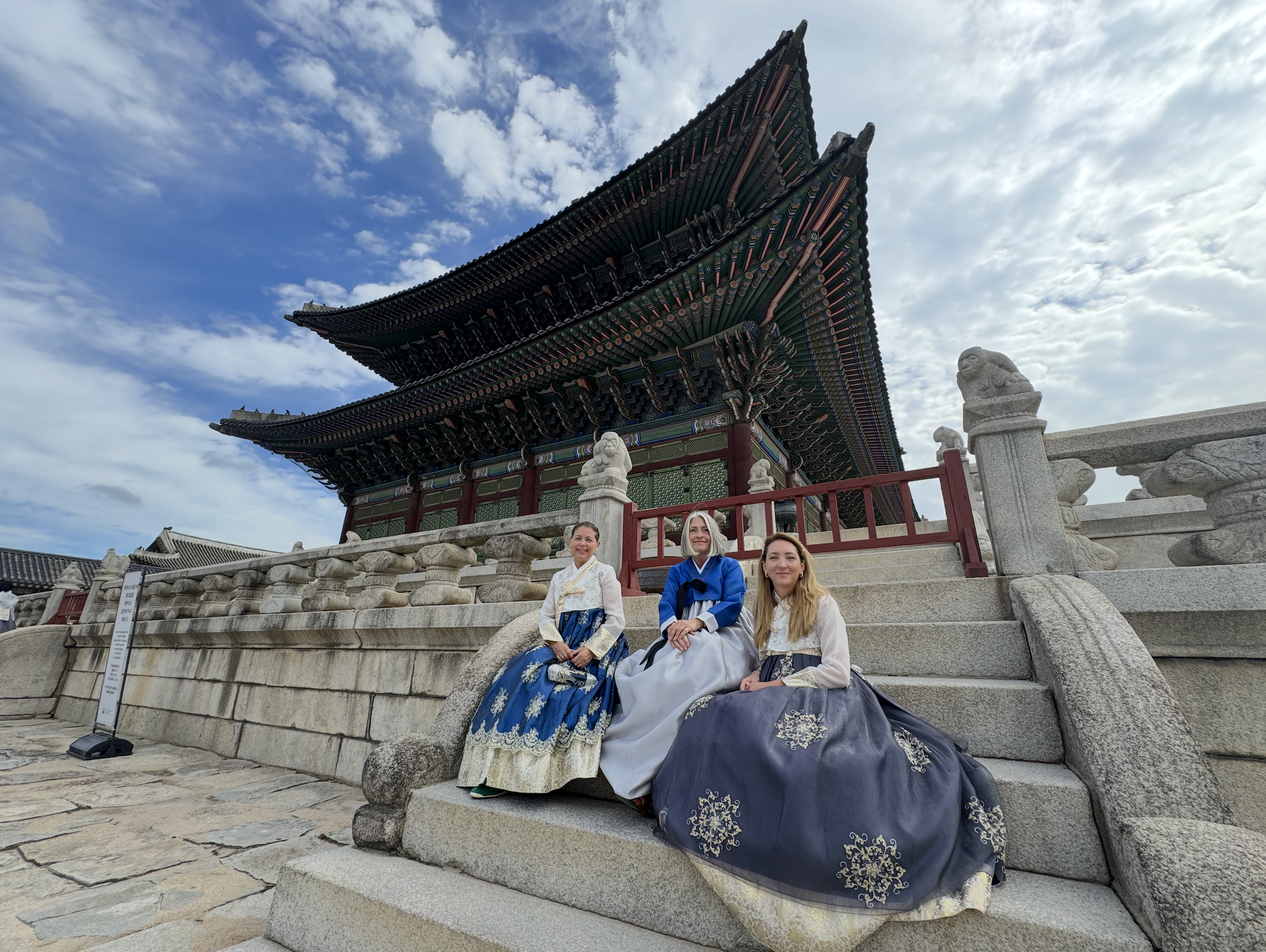
- Traditional Hanbok Experience: Rent and wear colorful Hanbok clothes. Walk around palaces or villages for great photos.
- Korean Food Tours: Taste kimchi, bibimbap, Korean BBQ, and street foods like tteokbokki. Food markets are full of flavors.
- Temple Stay Programs: Stay overnight at Buddhist temples to learn meditation and Korean spirituality.
- K-Pop and Modern Culture: Visit areas like Gangnam and Myeongdong. Enjoy concerts, shopping, and cafes.
Participate in these cultural activities to feel connected with Korea:
- Attend traditional music and dance shows
- Join cooking classes for Korean dishes
- Visit museums and art galleries
- Explore local markets and festivals

Food And Dining
Exploring Seoul and South Korea means diving into a rich and exciting food culture. Food and dining are central to Korean life. Every meal is a chance to enjoy bold flavors and unique dishes. From vibrant street food stalls to elegant traditional restaurants, there is something for every traveler. Knowing what to try and how to eat smartly makes your trip even better. This guide highlights key food experiences and dining tips to help you enjoy Korean cuisine fully and respectfully.
Street Food Favorites
Seoul’s street food scene is lively and colorful. Vendors sell tasty snacks on busy streets and markets. These foods are perfect for quick bites or trying many flavors. Popular choices include:
- Tteokbokki: Spicy rice cakes in red chili sauce, chewy and warm.
- Hotteok: Sweet pancakes filled with brown sugar, nuts, and cinnamon.
- Odeng: Fish cake skewers served with hot broth.
- Kimbap: Seaweed rice rolls with vegetables and meat, easy to carry.
- Twigim: Deep-fried snacks like shrimp, vegetables, and squid.
Street food markets like Myeongdong and Gwangjang Market offer many options in one place. Prices are usually low, making it easy to taste multiple dishes. Try small portions to sample more flavors. Street food vendors often cook fresh in front of you, so the food is hot and delicious.
Traditional Korean Cuisine
Korean meals are about balance and sharing. Meals often include rice, soup, and many side dishes called banchan. These side dishes are usually made from vegetables, fermented foods, or seafood. Key traditional dishes to try include:
| Dish | Description | Main Ingredients |
|---|---|---|
| Bibimbap | Mixed rice with vegetables, meat, and spicy sauce | Rice, vegetables, beef, gochujang (chili paste) |
| Kimchi | Fermented spicy cabbage, a staple side dish | Cabbage, chili flakes, garlic, salt |
| Samgyeopsal | Grilled pork belly served with lettuce wraps | Pork belly, garlic, sesame oil, lettuce |
| Doenjang Jjigae | Rich soybean paste stew with tofu and vegetables | Soybean paste, tofu, zucchini, mushrooms |
| Japchae | Stir-fried glass noodles with vegetables and meat | Sweet potato noodles, spinach, carrots, beef |
Sharing meals is common. Everyone eats from the same dishes, creating a warm atmosphere. Fresh ingredients and bold flavors are the heart of Korean cooking.
Dining Etiquette
Korean dining has polite customs. Following these shows respect and helps you fit in:
- Wait for elders: Start eating only after the oldest person begins.
- Use chopsticks and spoons properly: Chopsticks for solid food, spoon for soup and rice.
- Don’t stick chopsticks upright: It resembles a funeral ritual and is considered rude.
- Pour drinks for others: Pour for your companions, especially elders, not yourself.
- Eat quietly: Avoid loud chewing or slurping, though some noise is okay with noodles.
- Respect shared dishes: Use the serving utensils when taking food from communal plates.
Following these simple rules makes dining more enjoyable and respectful. Koreans appreciate when visitors try to honor their traditions.
Cultural Tips
Visiting Seoul and South Korea offers a rich cultural experience that goes beyond sightseeing. Understanding the local culture enhances every moment and helps travelers connect more deeply with the people and places. Cultural tips guide smart travelers to show respect and enjoy authentic experiences. These tips cover language basics, customs, manners, and key festivals. Preparing in advance makes the trip smoother and more enjoyable.
Language Basics
Korean is the official language in South Korea. Learning a few simple words and phrases can open many doors. Most Koreans appreciate it when visitors try to speak their language, even a little.
- Annyeonghaseyo (안녕하세요) – Hello
- Kamsahamnida (감사합니다) – Thank you
- Juseyo (주세요) – Please (used when asking for something)
- Mianhamnida (미안합니다) – Sorry
- Ye (예) / Ne (네) – Yes
- Aniyo (아니요) – No
Many signs in Seoul include English, especially in tourist areas. Still, carrying a small phrasebook or using a translation app helps. Below is a table with useful Korean travel phrases:
| English | Korean (Hangul) | Pronunciation |
|---|---|---|
| Where is the bathroom? | 화장실 어디에요? | Hwajangsil eodieyo? |
| How much is this? | 이거 얼마에요? | Igeo eolmaeyo? |
| I don’t understand | 이해하지 못해요 | Ihaehaji mothaeyo |
Practice simple greetings and polite phrases. This effort shows respect and builds friendly connections.
Customs And Manners
South Korea has unique customs that visitors should know. Respect and politeness are very important in daily life.
Common customs include:
- Bowing: Bow slightly when greeting, thanking, or apologizing.
- Removing shoes: Take off shoes when entering homes and some traditional places.
- Using both hands: Give and receive items, especially money or gifts, with both hands.
- Respect for elders: Always show extra politeness to older people.
- Quiet public behavior: Speak softly on public transport and avoid loud phone calls.
Table below shows do’s and don’ts for cultural manners:
| Do | Don’t |
|---|---|
| Use polite language and gestures | Point with your finger or touch heads |
| Wait for elders before eating | Start eating before elders |
| Accept gifts with both hands | Refuse gifts repeatedly |
Following these customs helps travelers avoid misunderstandings and shows respect to locals.
Festivals And Events
South Korea hosts many colorful festivals throughout the year. Joining these events offers unique cultural insights and fun experiences.
Popular festivals to know:
- Seollal (Lunar New Year): Family gatherings, traditional games, and special food mark this holiday in January or February.
- Chuseok (Harvest Festival): Held in September or October, it honors ancestors with rituals and sharing of food.
- Cherry Blossom Festivals: Springtime events in Seoul and other regions celebrate blooming cherry trees with outdoor activities.
- Boryeong Mud Festival: A summer festival famous for mud baths, games, and music.
- Lantern Festival: Bright lantern displays light up the night sky, often around Buddha’s Birthday.
Plan trips around these events for an immersive cultural experience. Check local dates as they change each year. Participating means enjoying traditional food, music, and customs firsthand.
Shopping Smart
Safety And Health
Traveling to Seoul and South Korea offers exciting adventures and rich culture. Staying safe and healthy is key to enjoying your trip fully. Knowing how to protect yourself helps you explore without worry. This guide covers important tips on safety and health. Follow these to keep your journey smooth and secure.
Staying Safe
Seoul and South Korea are generally safe for travelers. Violent crime rates are low, but petty theft can happen. Always stay aware of your surroundings. Keep your valuables close and avoid dark, empty streets at night.
- Use official taxis or public transport. Avoid unmarked cabs.
- Keep your passport and money in a secure place. A money belt is a good idea.
- Learn basic Korean phrases. It helps in crowded areas and emergencies.
- Follow local laws and customs. Respect traffic rules and cultural norms.
- Use well-lit and busy streets. Stick to tourist-friendly areas.
Seoul’s subway system is safe, clean, and easy to use. Carry a T-money card for smooth travel. Watch out for pickpockets in crowded markets like Myeongdong and Dongdaemun.
| Safety Tip | Why It Matters |
|---|---|
| Don’t display expensive gadgets openly | Reduces risk of theft |
| Keep emergency numbers saved on your phone | Quick help in urgent situations |
| Stay in reputable hotels or guesthouses | Better security and comfort |
Health Precautions
South Korea has good healthcare, but taking health precautions is smart. Drink bottled water to avoid stomach issues. Tap water is generally safe but some travelers prefer bottled.
Street food is tasty but try to eat at busy stalls with high turnover. This lowers risk of foodborne illness. Wash your hands before eating or use hand sanitizer.
- Bring basic medicines. Pain relievers, allergy medicine, and stomach remedies help.
- Wear comfortable shoes. You will walk a lot exploring cities.
- Check the weather forecast. Dress in layers for changing seasons.
- Apply sunscreen. UV rays can be strong, especially in summer.
- Carry a reusable water bottle. Stay hydrated during sightseeing.
Vaccinations like flu and hepatitis A are recommended. Visit a travel clinic before your trip for advice. If you have allergies or chronic conditions, bring medical documents and prescriptions.
| Health Tip | Reason |
|---|---|
| Use hand sanitizer regularly | Prevents germs from spreading |
| Eat freshly cooked food | Reduces risk of food poisoning |
| Carry insect repellent (in summer) | Protects against mosquito bites |
Emergency Contacts
Knowing emergency contacts ensures quick help when needed. Dial 112 for police and 119 for fire or ambulance. Operators speak some English but keep your location ready in Korean if possible.
Save these numbers on your phone and write them down. Ask your hotel for local emergency info too. Carry your embassy contact details in case of lost passport or legal help.
- Police (Crime, Safety): 112
- Fire and Ambulance: 119
- Tourist Police: 1330 (English support)
- Emergency Medical Services: 1339
- Embassy or Consulate: Check before travel
Seoul has tourist police in popular areas. They assist foreigners with directions and minor issues. Use apps like “Emergency Ready” for real-time alerts and help.
| Service | Number | Purpose |
|---|---|---|
| Police | 112 | Report crimes or ask for help |
| Fire/Ambulance | 119 | Fire emergencies and medical aid |
| Tourist Police | 1330 | Help for tourists in English |
Tech And Connectivity
Seoul and South Korea are known for their advanced technology and excellent connectivity. Staying connected during your trip makes navigation, communication, and planning much easier. Knowing how to access the internet, which apps to download, and the best options for SIM cards and Wi-Fi can improve your travel experience. This section covers essential tech tips to help smart travelers stay online and stress-free.
Internet Access
South Korea offers some of the fastest and most reliable internet connections in the world. Most public places, cafes, and transportation hubs provide free Wi-Fi. Internet access is widely available, which helps travelers stay connected without much hassle.
Here are key points about internet access in South Korea:
- Public Wi-Fi: Airports, subways, cafes, and shopping centers usually have free Wi-Fi.
- Speed: South Korea’s internet speed ranks among the top globally, making streaming and browsing smooth.
- Availability: Wi-Fi is common in urban areas but may be weaker in rural regions.
- Security: Public Wi-Fi can be less secure; use a VPN for safer browsing.
Use this table to understand internet access types:
| Internet Type | Where to Find | Speed | Security |
|---|---|---|---|
| Public Wi-Fi | Airports, cafes, malls | Fast | Low |
| Mobile Data | Anywhere with signal | Very Fast | High |
| Hotel Wi-Fi | Hotels | Moderate | Medium |
Useful Apps
Smart travelers in Seoul should download a few key apps to make their trip easier. These apps help with transportation, translation, maps, and local services. Many apps work offline or use little data, ideal for tourists.
Important apps to install:
- KakaoTalk: Korea’s most popular messaging app. Useful for chatting with locals and businesses.
- Naver Map: More accurate than Google Maps in South Korea. Offers public transit info.
- Subway Korea: Shows subway routes, times, and fares.
- Google Translate: Helps with Korean-English translation, including camera translation.
- Visit Korea App: Official tourism app with event info, guides, and emergency contacts.
These apps save time and reduce confusion. Many support English, making navigation and communication simple.
Sim Cards And Wi-fi
Choosing the right SIM card or Wi-Fi option is important for staying connected. South Korea offers various prepaid SIM cards and portable Wi-Fi devices for tourists. Both options have benefits depending on travel style.
SIM cards provide mobile data and calls. They are easy to buy at airports, convenience stores, or online. Portable Wi-Fi devices allow multiple devices to connect simultaneously and are good for group travel.
Consider this comparison:
| Option | Advantages | Best For | Cost |
|---|---|---|---|
| Prepaid SIM Card | Easy setup, mobile data, local calls | Solo travelers, long stays | Affordable |
| Portable Wi-Fi | Connects multiple devices, no SIM change needed | Groups, short trips | Higher daily fee |
Tips for buying SIM cards and Wi-Fi:
- Bring an unlocked phone compatible with Korean networks.
- Check data limits and speeds before purchase.
- Reserve portable Wi-Fi online to pick up at the airport.
- Compare prices from different providers for the best deal.
Frequently Asked Questions
What Is The Best Time To Visit Seoul And South Korea?
The best time to visit Seoul is spring (April-June) and autumn (September-November). These seasons offer mild weather and beautiful scenery. Avoid summer due to heat and humidity, and winter unless you enjoy cold weather and winter sports.
How Can I Get Around Seoul Efficiently?
Seoul has an extensive subway and bus network. Purchase a T-money card for easy payment. Taxis are affordable but less efficient during rush hours. Walking is great for exploring neighborhoods.
What Are Must-try Foods In South Korea?
Try kimchi, bibimbap, Korean BBQ, tteokbokki, and street snacks like hotteok. These dishes offer authentic flavors and cultural experience. Visit local markets for fresh and affordable options.
Is It Necessary To Learn Korean For Traveling?
Basic Korean phrases help with greetings and directions. Most signs in Seoul are English-friendly. Learning simple words enhances your experience but is not mandatory.
Conclusion
Seoul and South Korea offer rich culture and exciting places to explore. Plan your trip carefully to enjoy each moment fully. Use local transport to save time and money. Taste Korean food and try new dishes often. Respect customs and traditions to connect better with locals.
Stay safe and keep your belongings close always. These tips help you travel smart and enjoy more. Your adventure in South Korea will be fun and smooth. Ready to explore? Pack well and start your journey!

