


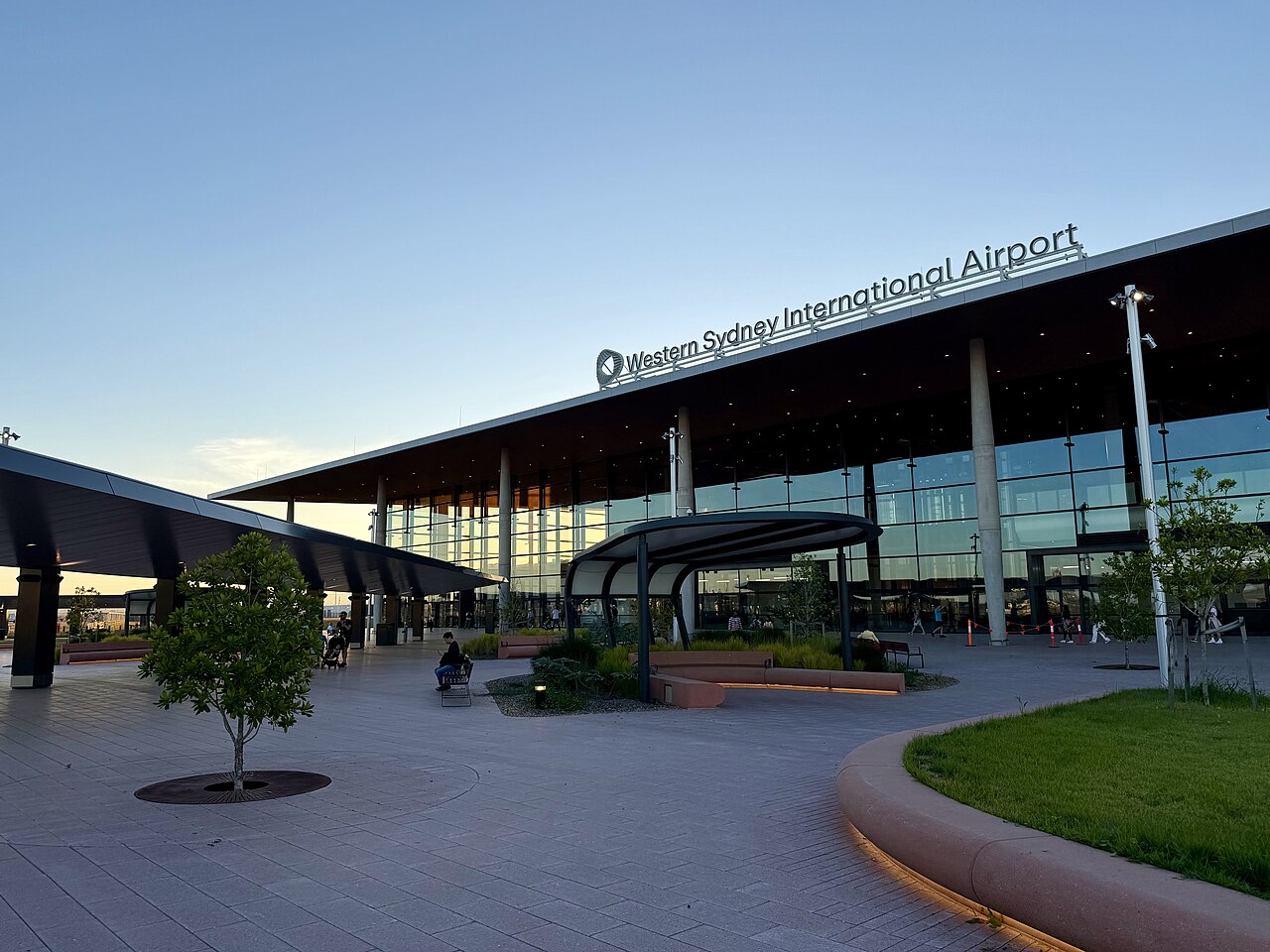
Australia’s newest major airport has welcomed its first passengers, opening a new chapter for Sydney aviation. But with a different location, a growing airline network and a 24-hour operating model, travellers will need to plan carefully before booking.
Sydney has a new international gateway. Western Sydney International Airport, officially named Nancy-Bird Walton Airport, opened to passengers on 25 October, marking a major expansion of aviation capacity in Australia’s largest metropolitan region.
The opening flight, operated by Jetstar to the Gold Coast, is the first step in a wider plan to give western Sydney its own aviation hub. For travellers, however, the significance goes beyond a new terminal and runway. The airport introduces another departure point to consider when planning a journey to or from Sydney.
A new option for domestic travel
Jetstar is leading the initial passenger launch, with services connecting Western Sydney to Melbourne, the Gold Coast and Brisbane. The airline’s published schedule includes up to 14 weekly flights to Melbourne, four to the Gold Coast and three to Brisbane.
Qantas is due to begin domestic services from 28 March 2027, initially connecting the airport with Melbourne and Brisbane.
For passengers living in western Sydney, these services could reduce the need to travel across the metropolitan area to reach the existing Sydney Kingsford Smith Airport. The benefit will depend on where travellers live, their destination and the frequency of available flights.
For visitors, the key consideration is equally practical: a ticket to Sydney will no longer necessarily mean arriving at the airport closest to the city centre.
International connections are coming into focus
The new airport is also preparing for international operations. Air New Zealand is scheduled to launch services to Auckland on 26 October, while Singapore Airlines has announced daily non-stop flights to Singapore from 23 November.
Other airlines expected to serve the airport include Fiji Airways, Vietjet Air and Qatar Airways, subject to their published launch schedules and applicable approvals.
These developments point towards a network that could eventually give passengers more choice in how they reach Australia and connect onwards to other destinations. The scale of that opportunity will depend on how quickly airlines expand their services and establish commercially sustainable schedules.
For international travellers, it is worth checking the arrival airport carefully when booking. Sydney’s two airports are separate facilities, and a transfer between them should not be treated as a routine terminal change.
The advantage of operating around the clock
One of the airport’s defining features is its 24-hour operating model. Unlike Sydney Kingsford Smith, which is subject to a night-time curfew, Western Sydney International can accommodate flight operations throughout the day and night.
That flexibility could be valuable for airlines developing schedules around overnight departures, early morning arrivals and long-haul connections. It also provides additional capacity for cargo operations, an important consideration as e-commerce and time-sensitive freight continue to shape aviation demand.
However, a 24-hour airport does not automatically mean that every airline will offer overnight passenger flights. Individual schedules will reflect demand, aircraft availability, operating costs and the wider network strategy of each carrier.
Getting to the airport
Western Sydney International is located at Luddenham, approximately 60 kilometres west of central Sydney. Its location makes ground transport an important part of the journey.
Initial public transport arrangements include bus connections to regional transport interchanges and a free shuttle from St Marys Station while the Sydney Metro Western Sydney Airport line remains under construction.
Travellers should check the latest transport arrangements before departure and allow sufficient time for the journey. Driving times can vary significantly with traffic, and the most convenient airport will depend on the passenger’s starting point.
The airport’s long-term transport proposition is expected to evolve as rail and road infrastructure develops. Until then, passengers should compare the full door-to-door journey rather than focusing exclusively on the flight time or ticket price.
The bottom line: Sydney’s new airport is a significant development for Australian aviation, but its real value to individual travellers will be measured in useful routes, convenient schedules and the total time required to complete the journey.

